Agile DevOps in hardware development
AllSpice co-founder Kyle Dumont chatted with Embedded Computing Design’s Tiera Oliver on their Embedded Insiders podcast. During this episode, they discuss the software-based Git platform for hardware development and revision control.

Conversation highlights
What tools and software principles has the hardware development industry adopted?
Several tools have helped to evolve the software industry, allowing it to be more nimble and flexible. A few examples of software tools that have been implemented in hardware design include:
- Pull requests (design reviews)
- Merge requests
- Diff
- Snippets
What’s the overall thesis behind AllSpice and its goal to modernize the workflows of hardware engineers, and how does it connect to software?
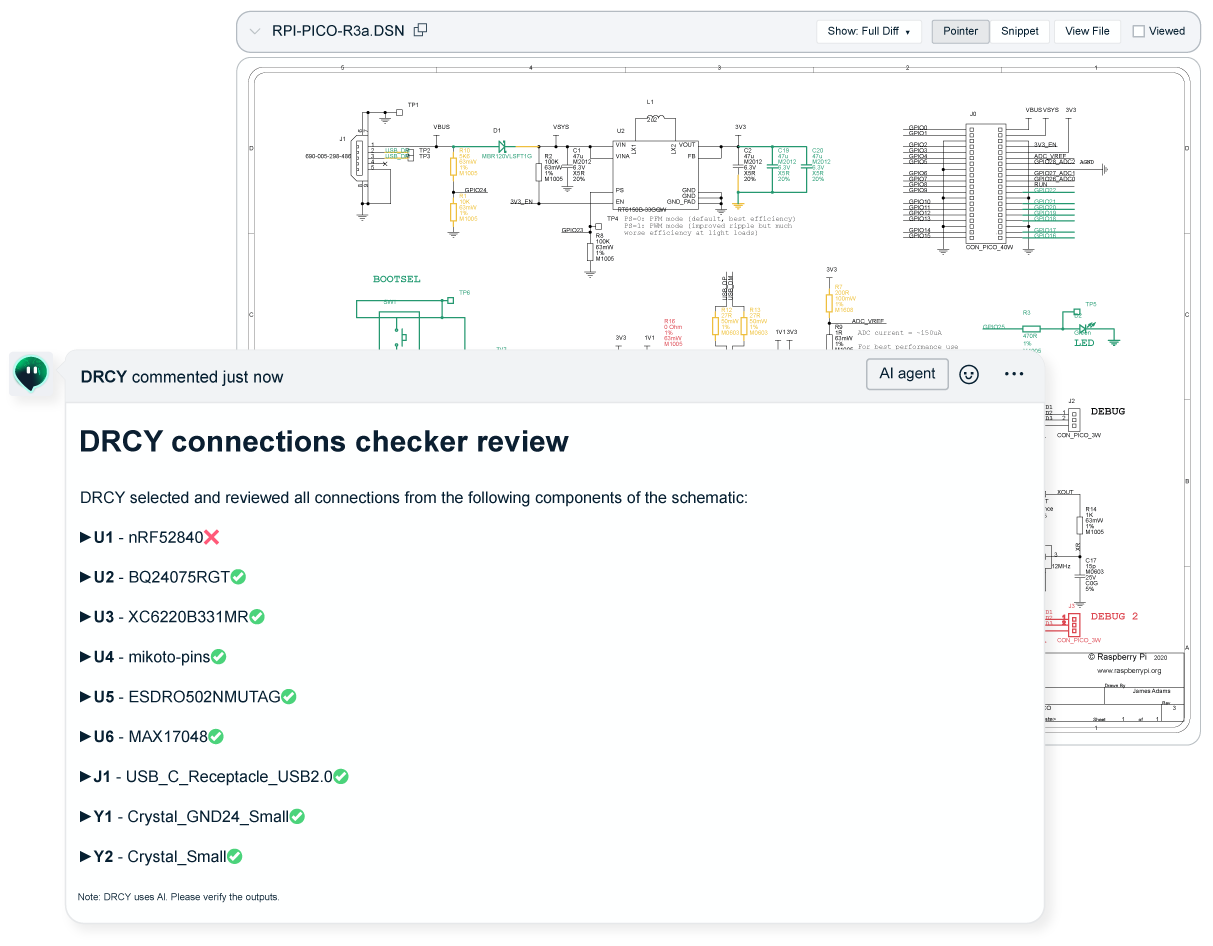
Many aspects of software can be applied to hardware engineering, and Allspice has built these features into the platform. AllSpice helps engineering teams get the right product to market faster by enabling asynchronous digital design reviews and building entire workflows around those features. This also allows hardware developers to create documentation using automatic BOM generation, automatic PCB, and schematic red lines. Users can easily tag stakeholders on design reviews/pull requests (PRs) for feedback and manage issues, along with continuous integration (CI) and continuous deployment (CD) processes – which map directly into hardware.
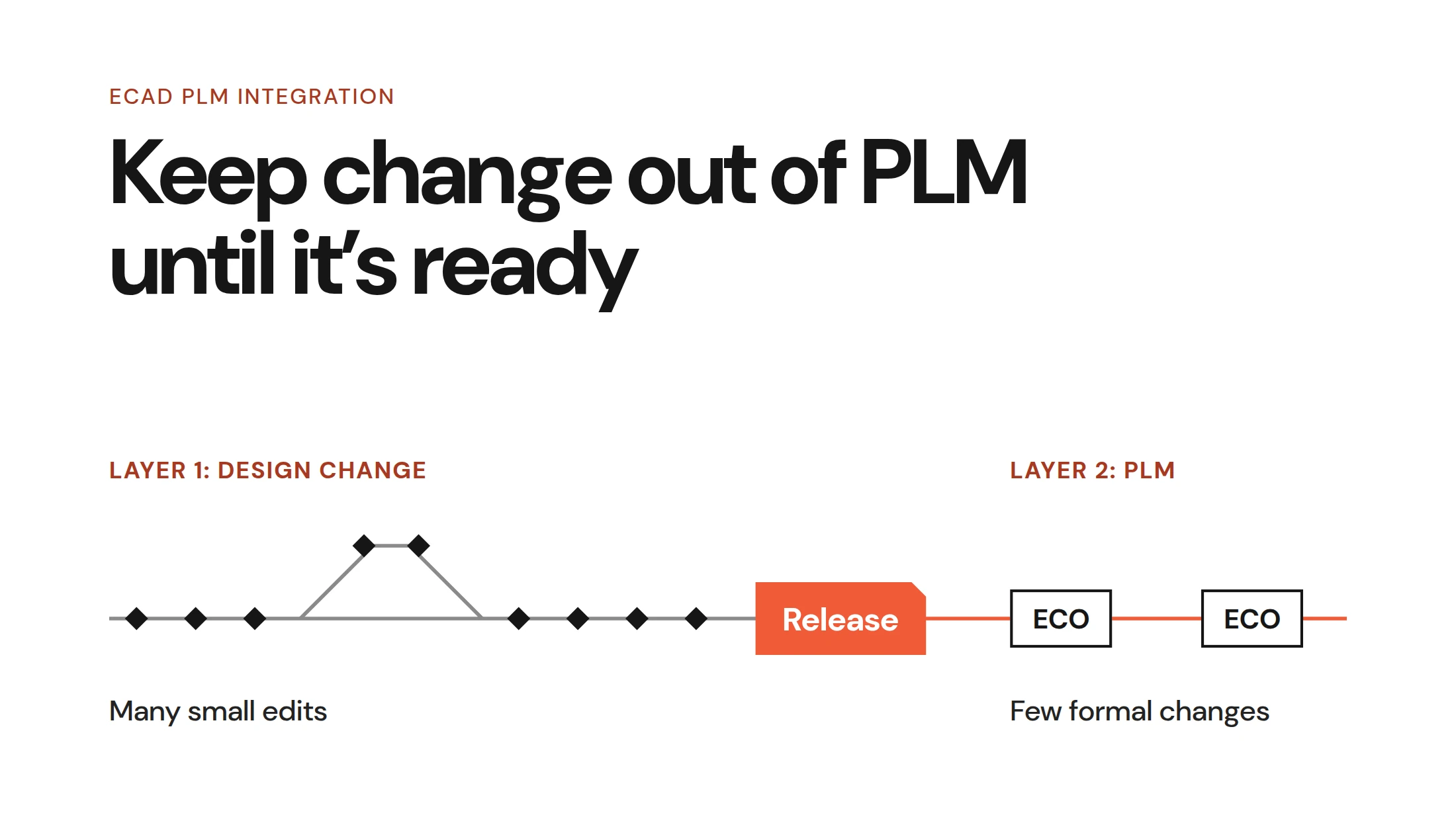
What makes a Git style approach ideal for hardware engineering product lifecycle management(PLM)?
The entire industry, primarily, has moved to Git from past tools (subversion/SVN, mercurial) if their processes involved some version of undocumented revision control for design documents. In terms of having access to resources, new developments, and design tools, it was a no-brainer for hardware. Git allows engineers to build whatever is necessary on top of it relatively simply – an example of this is the diff tool. Git gives users the ability to hook a custom diff tool based on file formats directly up to it. Other uses of Git include:
- Run design checks
- Simulation validation
- continuous integration (CI)
- Generate design outputs
How does your collaborative platform stand to transform the practice of hardware engineering?
AllSpice is the end-to-end hardware engineering ecosystem that breaks down silos with collaboration, automation, and agility. Electrical engineers, mechanical engineers, firmware engineers, hardware engineers, and others can work together on design reviews, review each other’s workflows, have automated builds, and have automated co-simulations between firmware and electronics. Ultimately, the data integration provided by AllSpice provides confidence in design processes.
Listen to the full podcast here: