Electronics design process: tools and steps for hardware development
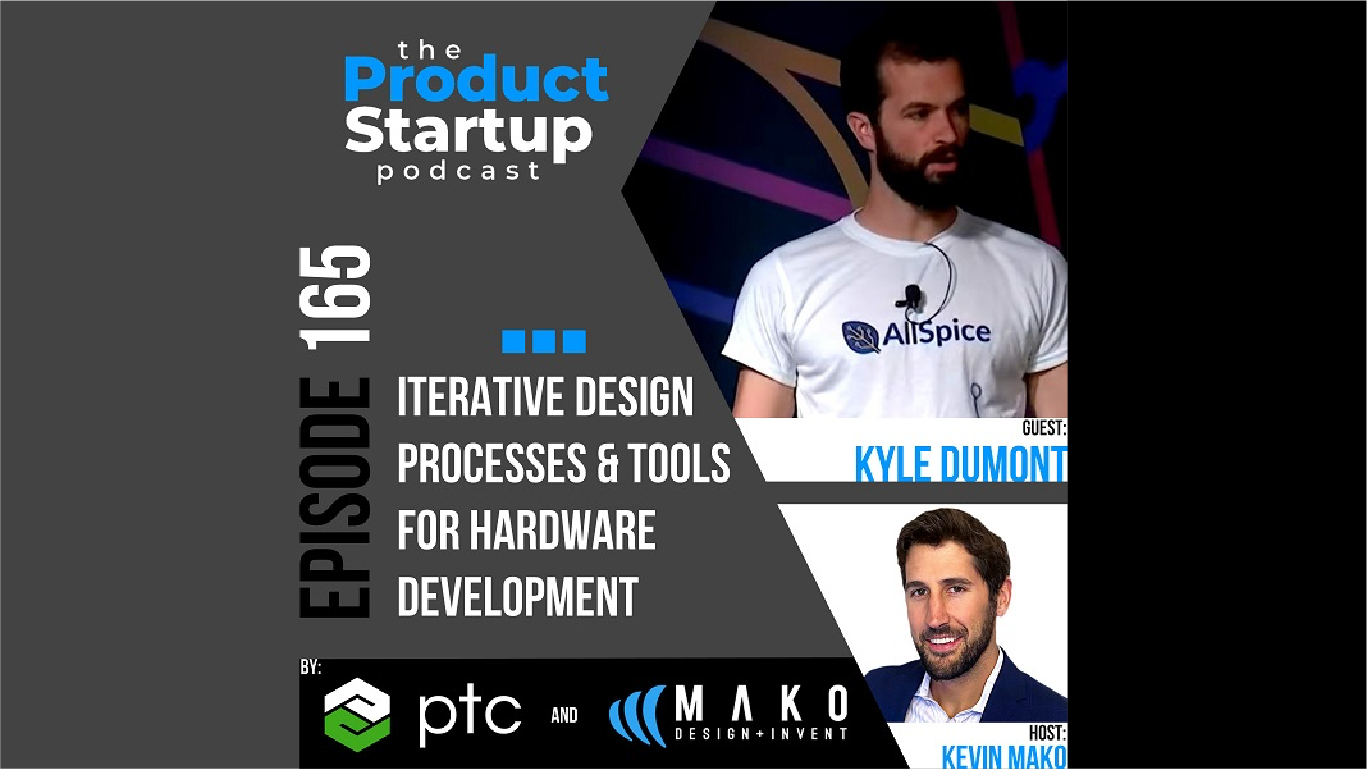
AllSpice Co-Founder and CTO Kyle Dumont joined Mako Design + Invent’s Kevin Mako on their podcast The Product Startup. They discussed iterative hardware product development including the design process, tools, manufacturing, and more.
Conversation highlights
What is the iterative hardware design process between manufacturing runs?
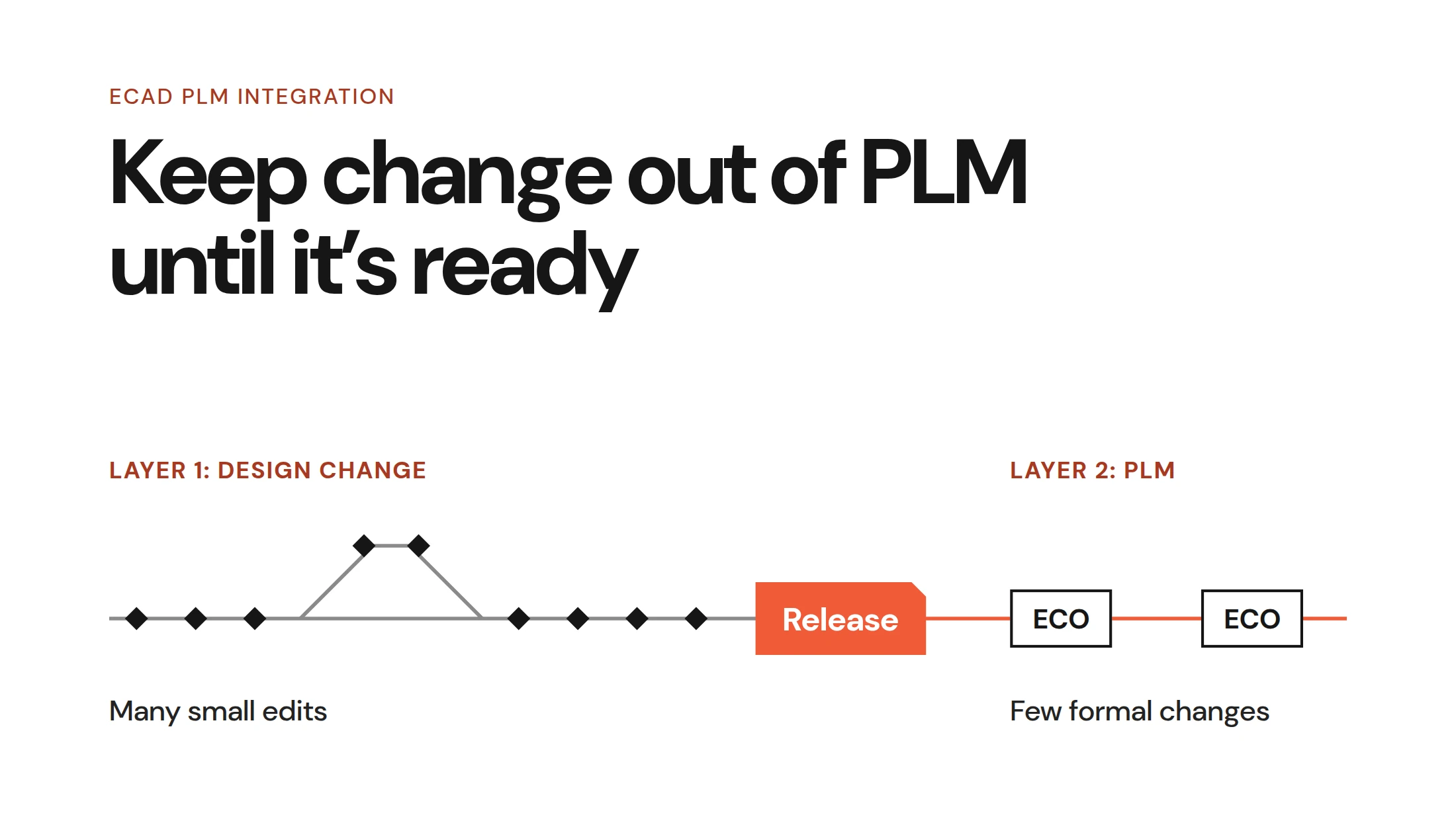
The hardware design legacy approach follows the waterfall methodology. It tends to be rigid – releases planned well in advance and long spins in between designs with an expectation of revisions working perfectly. AllSpice takes a page from the software engineering playbook, allowing engineers to build steps into their workflows, resulting in confidence behind new design versions. Now, even between manufacturing runs, engineers experience cost efficiency and ease when getting quick-turn PCBs, assemblies with 3D printing, and more.
Tell us about the different stakeholders in the electrical and hardware engineering process
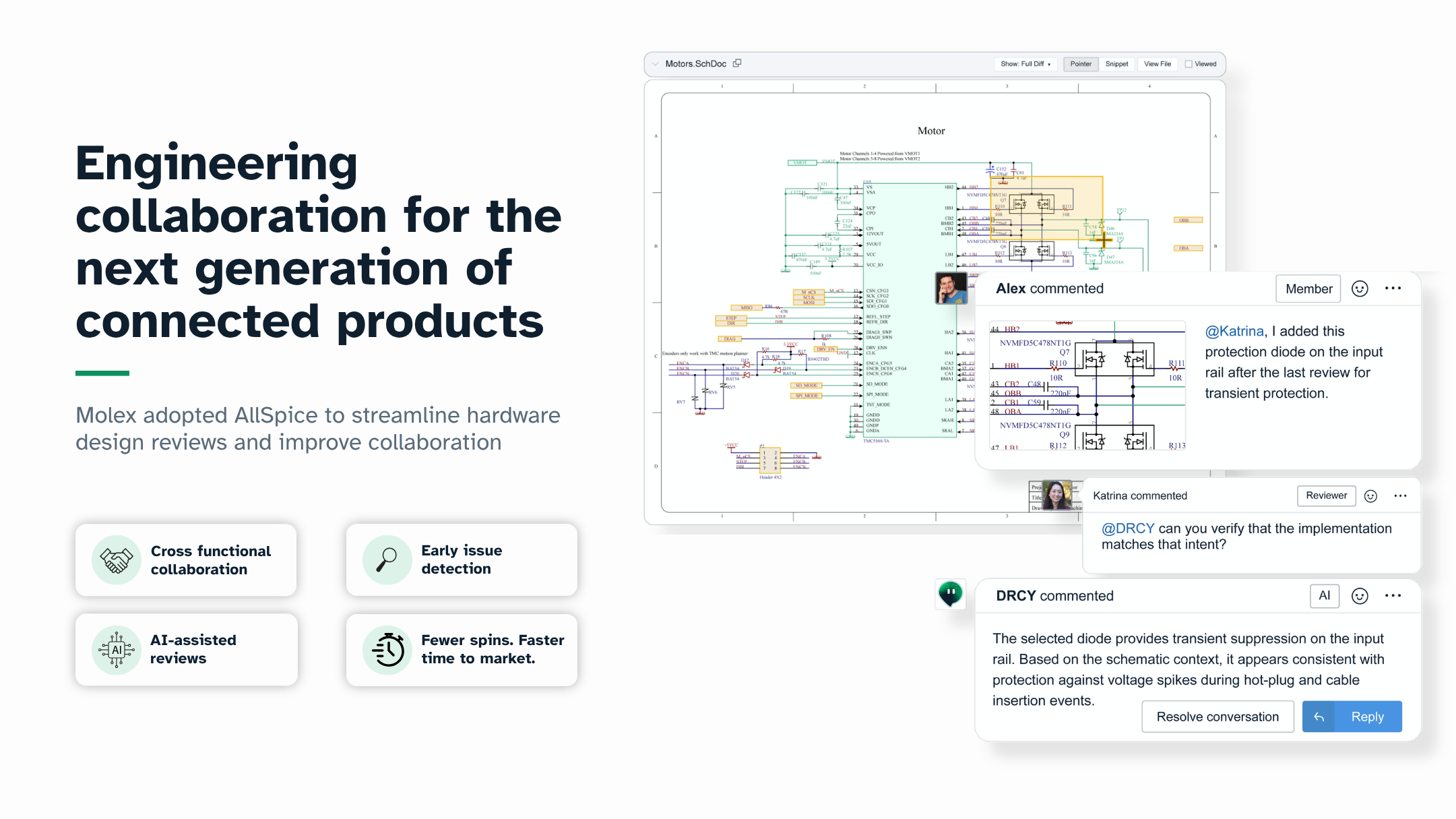
Customers and their feedback are significant, and AllSpice ensures its engineers interact with customers through trade shows, webinars, conferences, or other events. Engineering disciplines are also important stakeholders, so having effective communication between them is needed. These include system engineering, mechanical engineering, electrical engineering, software engineering, and firmware engineering. They’re different divisions and roles and have specific responsibilities, so communication is needed to ensure seamlessness in processes. Then, it is necessary to talk procurement – involving project managers and third parties like Contract Manufacturers (CMs).
How important is organization in automating processes for electrical engineering, and how does that tie into stakeholders?
Organization is a crucial component of modernizing hardware workflows. It’s one of the building blocks and the main reasons behind the platform’s success. Aspects like revision control, design reviews, and diffs are only made possible through organization. It also allows for seamless collaboration when it comes to stakeholders.
We’ve covered how AllSpice works to modernize workflows through automation, but can you give a brief overview of what your platform is?
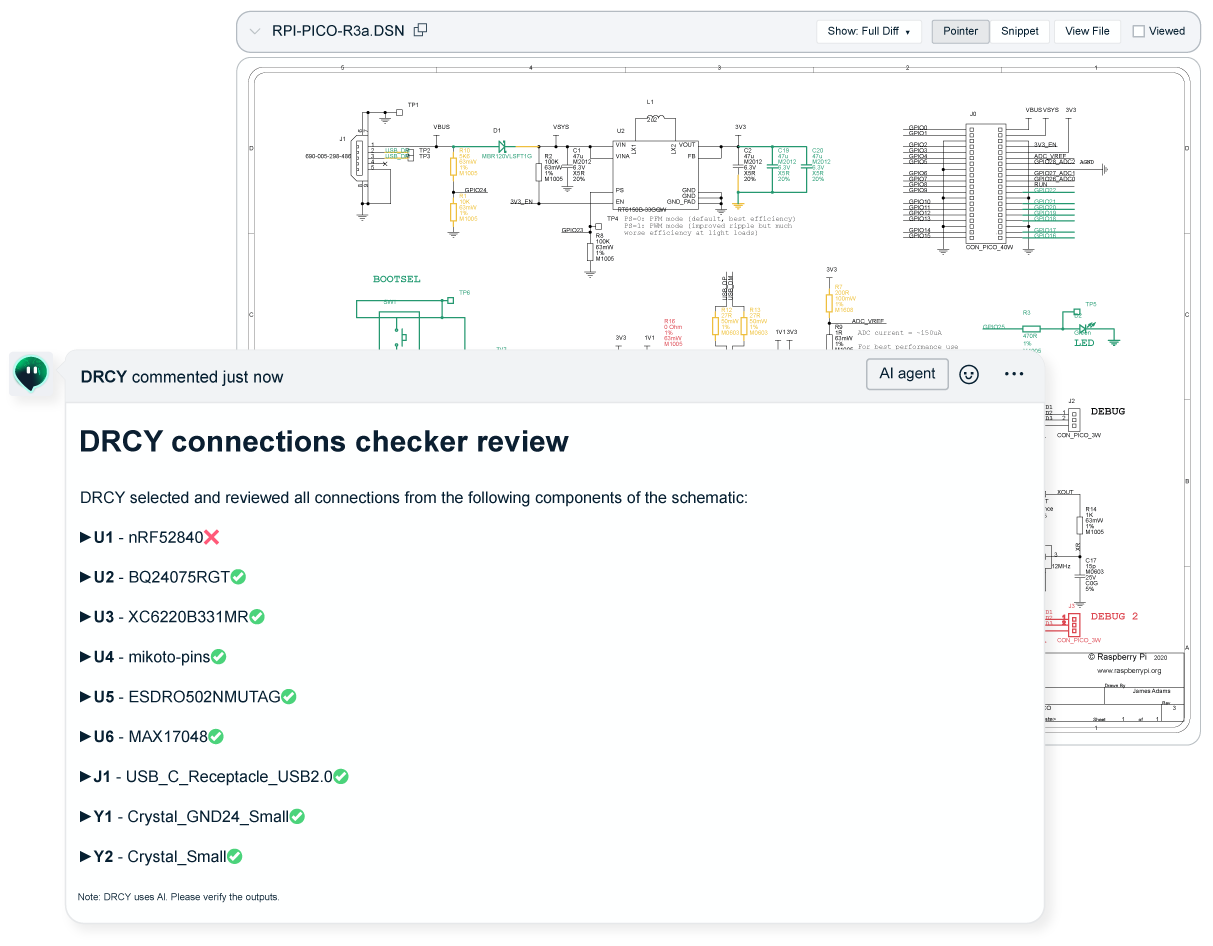
Essentially, AllSpice is a hardware collaboration platform primarily for electrical engineers and PCB Designers to internally or externally share designs, run revision control, and automate their workflows.
Listen to the full podcast here: